




( GOOGLE ADS. BUILT AROUND INTENT. )

Google Ads Management Built to Turn Searches Into Business Growth.

AdsLectic provides Google Ads management services built around
high-intent search demand. From keyword targeting and Responsive
Search Ads to Smart Bidding, conversion tracking and continuous PPC
optimization, we help businesses turn relevant searches into qualified
leads and measurable growth.

KEYWORD & SEARCH INTENT
Target searches
that matter.
RESPONSIVE SEARCH ADS
Match message
with intent.
SMART BIDDING
Optimize toward
outcomes.
CONVERSION TRACKING
Measure meaningful
ctions.
{ 02 } WHY SEARCH ADS

Search Traffic Is Valuable. Search Intent Is What Matters.

Google Search Ads connect your business with people actively searching for relevant products, services or solutions. By aligning keywords, ad messaging and landing experiences with search intent, paid search can turn existing demand into qualified traffic and measurable business opportunities.

01

High-Intent Search Traffic

Reach People Already Looking for a Solution.

Google Search Ads place your business in front of people actively searching for relevant products or services—helping paid media focus on existing demand rather than interrupting audiences without clear intent.

02

Keyword-Level Control

Choose Which Searches Deserve Your Budget.

PPC keyword targeting helps control when ads can appear, while match strategies, search-term analysis and negative keywords help reduce irrelevant traffic and keep campaigns focused on valuable search intent.

03

Measurable Conversions

Know What Happens After the Click.

With appropriate Google Ads conversion tracking, campaigns can measure actions such as enquiries, calls, sign-ups or purchases—helping evaluate paid search based on meaningful outcomes rather than clicks alone.

04

Performance You Can Optimize

Put More Focus Behind What Works.

Search campaign data helps identify stronger keywords, queries, ads, devices, locations and bidding opportunities so PPC campaigns can be continuously refined around performance and business objectives.

{ 03 } GOOGLE ADS MANAGEMENT SERVICES

Google Ads Management Built From Search Intent to Conversion.

AdsLectic provides end-to-end Google Ads management services, combining keyword strategy, campaign structure, responsive search ads, bidding, conversion tracking and continuous PPC optimization to help businesses capture relevant search demand and turn clicks into measurable outcomes.

01

PPC Keyword Research & Targeting

Target the Searches That Show Real Intent.

We conduct PPC keyword research around your products, services, audience and search demand to identify relevant keywords and build targeting strategies focused on commercially valuable search intent.

02

Google Search Campaign Management

Build Campaigns Around Clear Business Goals.

AdsLectic structures and manages Google Search Ads campaigns around relevant keywords, tightly organized ad groups, budgets, targeting settings and campaign objectives—creating a stronger foundation for ongoing optimization.

03

Responsive Search Ads

Match the Message to the Search.

We develop and refine Responsive Search Ads (RSAs) using relevant headlines, descriptions and value propositions designed to align ad messaging with search intent and encourage qualified users to take the next step.

04

Smart Bidding & Budget Management

Put Budget Behind the Outcomes That Matter.

We manage bids and budgets around campaign goals, using appropriate Google Ads Smart Bidding strategies and performance signals to improve how paid-search investment is allocated.

05

Google Ads Conversion Tracking

Measure What Happens After the Click.

We configure and review Google Ads conversion tracking around meaningful actions such as enquiries, calls, sign-ups or purchases, helping campaign decisions focus on business outcomes rather than traffic alone.

06

PPC Campaign Optimization

Keep Improving What Search Data Reveals.

AdsLectic continuously reviews search terms, negative keywords, ad performance, bidding, devices, locations and budget allocation to identify opportunities for stronger PPC campaign performance.

{ 04 } SEARCH INTENT & KEYWORDS

The Right Keyword Starts Withthe Right Search Intent.

Effective Google Search Ads begin with understanding why someone is searching—not simply how often a keyword is searched. AdsLectic combines PPC keyword research, search intent analysis, keyword match strategy, negative keywords and search-term insights to focus campaigns on relevant search demand.

{ 05 } SEARCH AD RELEVANCE

From Search Query to Landing Page. Relevance Connects Every Click.

Strong Google Search Ads align what someone searches with the ad they see and the experience they reach after clicking. AdsLectic connects search intent, ad messaging, landing-page relevance and conversion tracking to create a more consistent path from search to action.

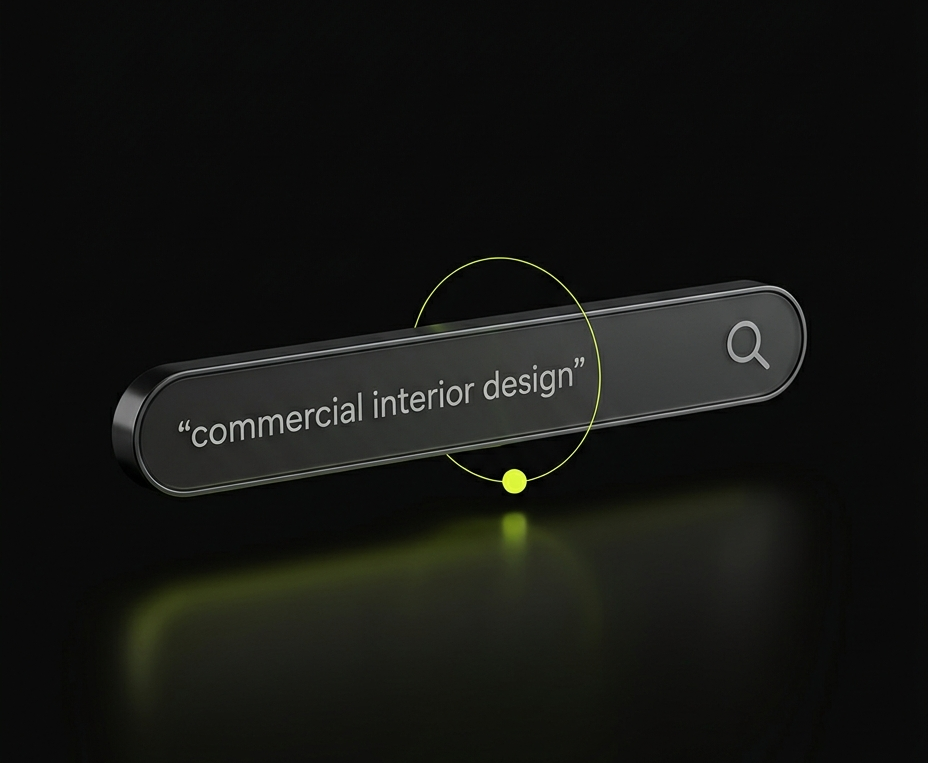
Search Intent & Query

Understand what people are actually searching for and align Google Ads keyword targeting with queries that reflect relevant business intent.

Responsive Search Ads

Create Responsive Search Ads with relevant headlines, descriptions and value propositions that connect search intent with a clear reason to click. Visual: Fictional sponsored search result.

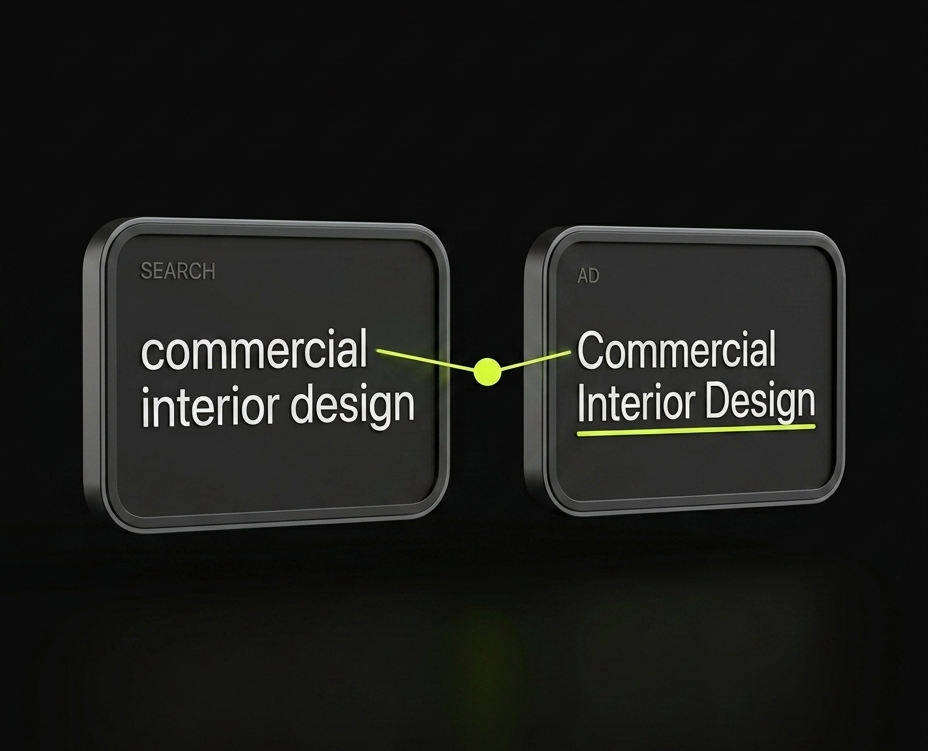
Search Ad Relevance

Align keywords, search intent and ad messaging so Google Search Ads feel relevant to what users are actively looking for. Visual: Abstract query-to-ad alignment concept.

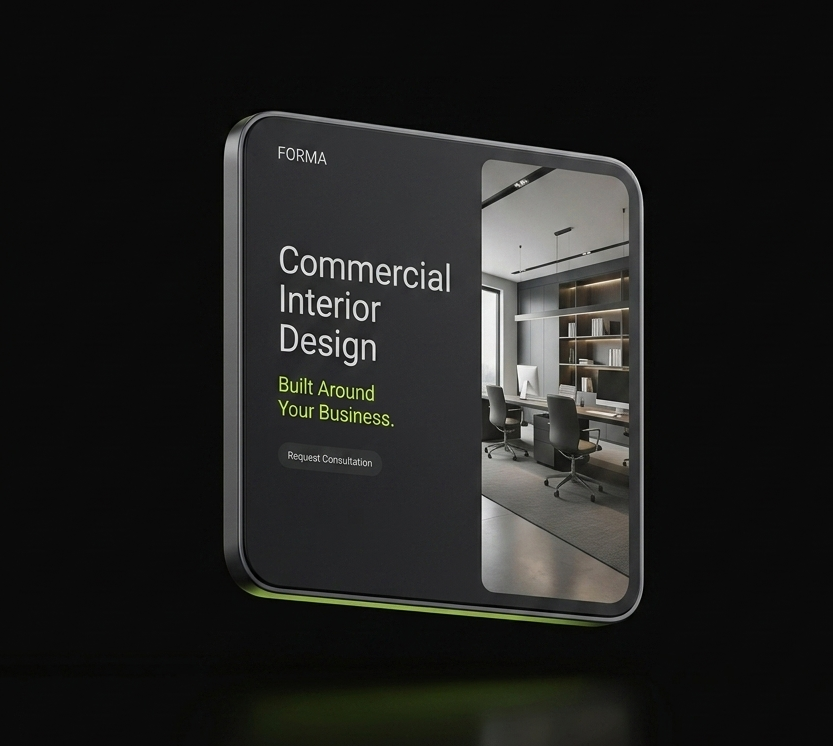
Google Ads Landing Page Experience

Continue the ad’s promise with relevant landing-page messaging, clear information and focused calls to action that reduce friction after the click. Visual: Premium fictional landing-page crop.

Built to Scale

Whether you’re launching, expanding, or entering new markets, our strategies are built to grow alongside your business.

Smarter Marketing Automation

We streamline repetitive processes, automate customer journeys, and improve marketing efficiency so your team can focus on growth.

Tailored Growth Strategies

No one-size-fits-all solutions. Every strategy is customized around your industry, audience, and business objectives.

Performance You Can Measure

Lorem ipsum dolor sit amet, consectetur adipiscing elit. Ut elit tellus, luctus nec ullamcorper mattis, pulvinar dapibus leo.

{ 06 } Why AdsLectic

Why Businesses
Choose AdsLectic.

We don’t just run ads. We build growth engines that deliver real impact.

Click-Through Rate (CTR)

Measure how effectively your Google Search Ads turn search impressions into clicks and indicate whether ad messaging is earning audience response.

Cost Per Click (CPC)

Track the average cost of generating paid search traffic and understand how efficiently your campaign budget is acquiring relevant clicks.

Conversion Rate

Understand how effectively paid search traffic completes meaningful actions such as enquiries, calls, sign-ups or purchases after clicking an ad.

Cost Per Acquisition (CPA)

Evaluate how much advertising investment is required to generate a defined conversion or customer action through your PPC campaigns.

Google Ads Quality Score

Monitor Google’s diagnostic measure of expected CTR, ad relevance and landing-page experience to help identify areas where Search campaigns may need improvement.

Return on Ad Spend (ROAS)

Where reliable revenue tracking is available, measure the revenue attributed to advertising against media spend to evaluate Google Ads ROAS.

{ 08 } GOOGLE ADS FAQs

Questions About Google Search Ads?

Google Search Ads are paid advertisements that can appear on Google search results when a user’s search is relevant to an advertiser’s targeting and campaign settings. Advertisers can use keywords, ad messaging, bidding and other settings to compete in the ad auction, with eligible ads selected based on factors including relevance and Ad Rank.

Pay-per-click (PPC) advertising is a model in which advertisers can pay when someone clicks their ad. In Google Search campaigns using CPC bidding, advertisers set or use automated bidding around the value of clicks while Google Ads determines the actual cost through the auction.

Google Ads uses paid advertising to compete for visibility on relevant searches, while SEO focuses on improving organic search visibility without paying for each organic click. Google Ads can provide more immediate control over targeting, budgets and campaign activity, while SEO is generally a longer-term organic visibility strategy. Many businesses use paid search and SEO together rather than treating them as substitutes.

Google Ads can be valuable for small businesses when there is relevant search demand and the campaign economics support paid acquisition. The opportunity depends on factors such as keyword costs, competition, location, conversion rate and the value of a lead or sale. A smaller business does not necessarily need the largest budget—it needs a campaign structure and budget appropriate to its market and goals.

Google Search campaigns can begin generating impressions and clicks after campaigns and ads become eligible to serve, but meaningful performance evaluation usually requires sufficient traffic and conversion data. How quickly useful results emerge depends on search demand, budget, competition, conversion volume, sales cycle and campaign configuration.

Google Ads keywords are words or phrases used to help match ads with relevant searches. When an eligible search relates to the keywords and targeting in a Search campaign, the ad may enter the auction to determine whether it appears. Choosing relevant keywords helps campaigns focus on searches connected to the products or services being advertised.

Google Ads currently uses three main keyword match types: Broad Match, Phrase Match and Exact Match. Match types control how closely a user’s search needs to relate to a keyword. Exact Match provides the most steering over which searches can match, while Phrase and Broad Match allow progressively broader matching based on meaning and intent.

Negative keywords prevent ads from being triggered by specified words or phrases. They can help exclude searches that are irrelevant to your products, services or campaign goals—for example, excluding employment-related searches when a campaign is intended to generate customer enquiries.

Responsive Search Ads allow advertisers to provide multiple headline and description assets that Google Ads can combine when serving ads. The objective is to create relevant ad combinations for eligible searches while giving the system multiple messaging assets to work with.

Quality Score is Google’s keyword-level diagnostic tool for comparing the quality of an ad experience with other advertisers. It is based on expected click-through rate, ad relevance and landing-page experience. Google specifically states that Quality Score is a diagnostic tool—not a KPI and not an input into the ad auction itself.

This is worth answering accurately because a lot of older PPC content online oversimplifies Quality Score.

Smart Bidding is Google’s set of AI-powered automated bidding strategies designed to optimize for conversions or conversion value at auction time. Current strategies include Target CPA, Target ROAS, Maximize Conversions and Maximize Conversion Value. The appropriate bidding approach depends on campaign objectives, conversion measurement and account conditions.

A relevant landing page continues the expectation created by the user’s search and the ad they clicked. Clear message alignment, useful content and an appropriate user experience can support conversion performance. Landing-page experience is also one of the three components Google uses when diagnosing Quality Score.

There is no fixed cost for Google Ads. Advertisers control their campaign budgets, while actual advertising costs vary based on factors such as keywords, competition, targeting, bidding strategy and auction conditions. With CPC-based campaigns, advertisers pay for clicks, and the actual CPC can be lower than the maximum CPC bid.

There is no universal Google Ads budget that works for every business. The appropriate budget depends on campaign objectives, keyword costs, search demand, geography, competition, conversion economics and the amount of data needed to evaluate performance. Google Ads allows advertisers to set and adjust an average daily campaign budget.

There is no universal “good” Google Ads CPC because click costs vary significantly by keyword, industry, competition, location and campaign context. CPC should be evaluated alongside what happens after the click—particularly conversion rate, CPA and the business value generated by those conversions. Google defines average CPC as total click cost divided by the number of clicks received.

04. What is a good click-through rate (CTR) for Google Ads?

Cost per acquisition (CPA) represents the advertising cost associated with generating a defined conversion or acquisition. The relevant target CPA depends on what that conversion is worth to the business, so an acceptable CPA should be evaluated against lead quality, margins, customer value and campaign objectives.

Return on Ad Spend (ROAS) compares revenue attributed to advertising with the amount spent on ads. It can be useful for revenue-focused Google Ads campaigns where reliable conversion-value tracking is available, but it should be interpreted alongside margins, attribution and wider business economics.

Search Ads performance should be evaluated against the campaign objective. Relevant metrics may include CTR and CPC for traffic efficiency, conversion rate and CPA for acquisition performance, and ROAS where reliable revenue attribution is available. AdsLectic also reviews search terms, ad relevance and conversion data to understand where campaigns can be refined.

Google Ads optimization should be ongoing, but not every campaign requires constant manual changes. Search terms, budgets, ads, bidding and conversion data should be reviewed at an appropriate frequency based on campaign volume and objectives, while automated bidding strategies also need sufficient data and time to respond to performance signals. Google’s Smart Bidding systems operate at auction time and continue adapting as performance changes.